Week 1 — Awareness
No changes yet. Simply observe your current evening screen patterns — when you reach for devices, for how long, and what typically triggers it. A written note each evening is enough.
A four-week structured approach to gently reducing evening screen usage. Each week builds on the last with one or two practical adjustments — nothing abrupt, nothing restrictive.
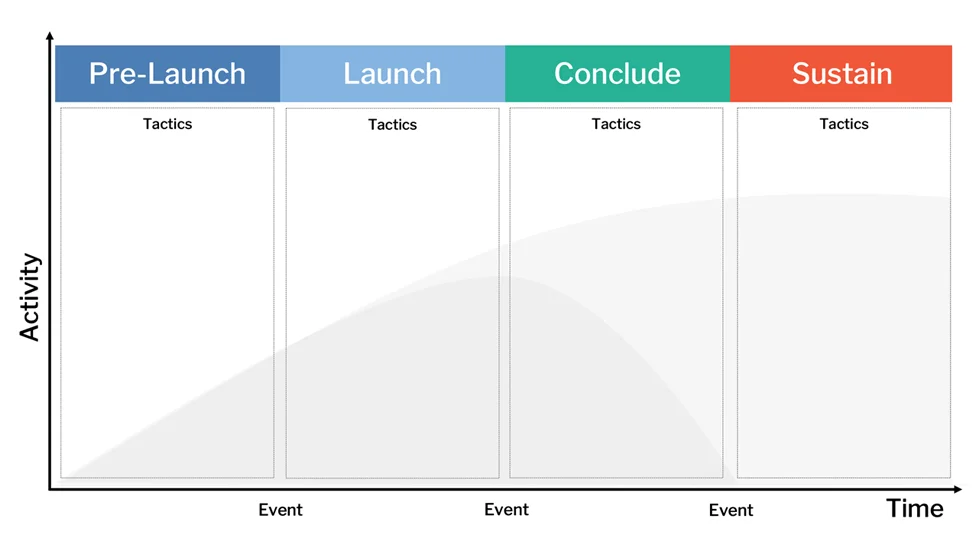
The program is structured across four distinct phases, each designed to introduce one meaningful shift in how you spend the final hours of your day. The pace is intentional — slow enough to feel manageable, structured enough to provide direction.
You do not need to complete the program perfectly. The goal is consistency over a few key evenings each week, not rigid daily adherence.
Gradual adjustments only — nothing that disrupts your current routine abruptly.
Phases adapt to your natural bedtime and existing evening habits.
Each phase has a clear focus and a small, specific action to build into your evening.
No changes yet. Simply observe your current evening screen patterns — when you reach for devices, for how long, and what typically triggers it. A written note each evening is enough.
Introduce one screen-free interval per evening — ideally 20 to 30 minutes in the hour before bed. Use an activity from the suggestions list. No pressure to extend beyond what feels easy.
Begin using the nightly checklist. Add your chosen screen-free activity as a consistent step in a short bedtime sequence — the same few actions in the same order each evening.
Move your device dock outside the bedroom. Extend the screen-free window to 45–60 minutes. Review your observations from week one and note what has shifted naturally.
These are the individual building blocks you can combine into a personal evening sequence. Use whichever ones fit your current situation.
Set all devices to their lowest brightness from a fixed evening time.
Mute all non-essential notifications for a set two-hour window each evening.
Two or three written lines summarising the day — a quiet close to the active part of your evening.
A physical book, twenty minutes minimum, replacing the same amount of screen time.
Five minutes of slow, intentional breathing to mark the shift from active to restful.
Tidying and adjusting your immediate environment as a physical signal of transition.
A warm, non-caffeinated drink prepared without a screen in hand — a brief, tactile pause.
One final consistent action — a set phrase, a light switch, a specific movement — that signals the end of the day.
Pairing the program with a well-considered physical space can make the weekly steps easier to follow. The Sleep Environment guide offers a practical foundation.